
Proofreading is the final step before you publish your work. Many writers skip or rush this stage. This creates small but noticeable errors. Readers catch them fast. A careful review prevents this. You only need simple habits and a patient eye. The right proofreading tips can help you create clean and clear writing.
Proofreading is a slow task. You look for surface errors. You check for spelling issues, grammar slips, and missing words. These errors hide well because your brain fills in gaps. This makes proofreading tricky. A few good habits make the task easier.
Why Proofreading is Not the Same as Editing
People often confuse proofreading with editing. These are two different steps. Editing deals with structure. It shapes the story or message. It adjusts tone and flow. It checks how ideas connect.
Proofreading comes after editing. It checks the surface. It focuses on errors that remain after your main changes. A simple proofreading checklist helps you track these tasks. It keeps your focus on small but important details.
Understanding this difference improves your process. You fix big issues first. You polish later. This saves time and makes each step more effective.
Step-by-Step Ways to Make Proofreading More Effective
Proofreading works best with a clear process. A set order prevents missed steps. You can use a few research-backed habits to improve accuracy.
Step 1: Slow Down Your Reading Speed
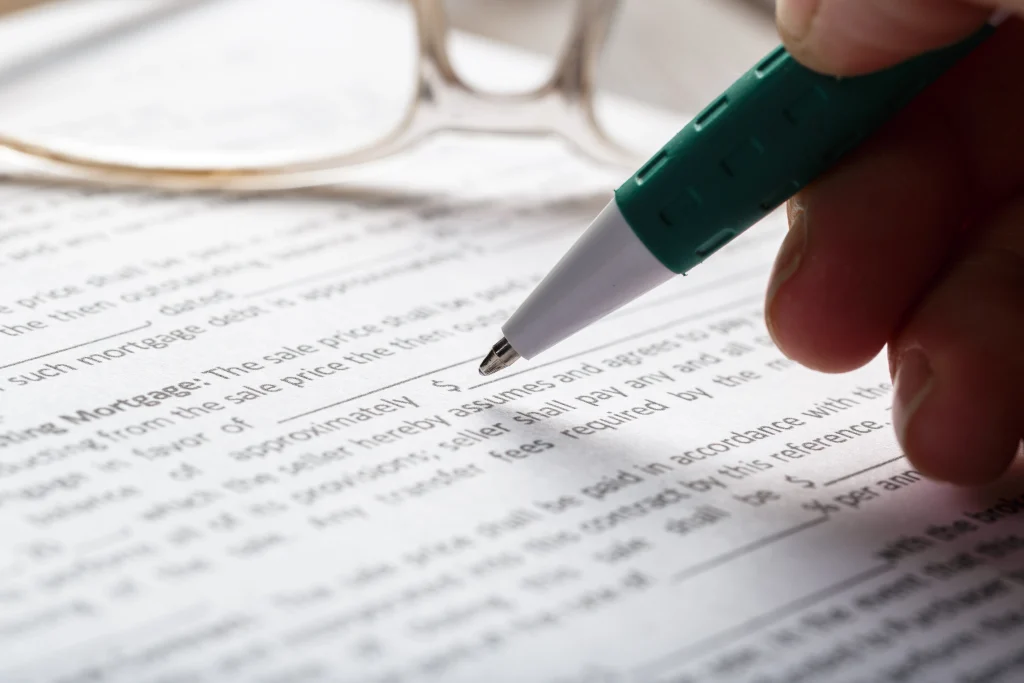
Slow reading exposes errors you miss at normal speed. Studies show that slow reading improves recall and detail spotting. You can guide your eyes with a pen or your finger. This reduces skipping. It also helps you stay focused on each word.
Step 2: Read the Text Out Loud
Reading out loud reveals rough edges in your writing. You hear missing words. You hear long and unclear sentences. This method also helps you catch repeated words. Many teachers recommend this for student drafts. It works for all levels of writing.
Step 3: Change the Format of Your Draft
A change in format tricks your brain into seeing the text as new. Print the draft. Increase the font. Read it on your phone. These small shifts help you catch errors you missed before.
A Quick Comparison:
| Format Change | Why it Helps | Best For |
| Print the draft | New view of text | Typos and spacing issues |
| Change font | Breaks reading habits | Missing words |
| Read on phone | Shrinks text | Repeated words and flow issues |
These are simple changes. They work well for most writers.
Proofreading is more than just spotting typos; it ensures your writing is clear, professional, and credible. To understand its full significance, check out our detailed guide on Why Is Proofreading Important. This resource explains how thorough proofreading improves readability, prevents misunderstandings, and enhances the overall quality of your work.
Little Tricks that Catch Big Mistakes
Some mistakes are stubborn. They hide even during slow reading. You can use a few extra methods to catch them.
Line tracking helps. Place a ruler under each line. It forces your attention to the current line. This stops your eyes from jumping ahead.
Another method is reverse reading. You read each sentence from the bottom to the top. This blocks your brain from focusing on meaning. It forces your eye to focus on spelling and punctuation. It is slow but very effective. Many editors use this for final checks.
Taking a break between writing and proofreading works too. A fresh mind spots more mistakes. This is one of the oldest proofreading tips used by professionals.
Grammar and Punctuation Spots You Should Always Check
Some errors appear more often than others. Knowing the patterns helps you spot them faster.
Commas cause many issues. They appear in the wrong place or go missing. Read the sentence out loud. Pause where a comma should be. This simple method helps you feel the correct placement.
Homophones are another trouble area. Words like “their,” “there,” and “they’re” can slip through. “Your” and “you’re” cause similar trouble. A slow reading pass helps catch these.
Long sentences can hide errors, too. Check for run-ons. Break them into shorter parts. Short sentences improve clarity and reduce confusion.
How to Build Your Own Proofreading Routine
You need a clear routine. This makes proofreading easier. Choose a quiet time. Use the same steps each time. This creates a strong habit.
Keep an error log. Track the mistakes you make often. Review the log before you proofread. This helps you focus on your weak spots.
Build a personal proofreading checklist. Include items like spelling, punctuation, homophones, spacing, and flow. Check each item at the end of your pass. This reduces missed errors.
Tools that Help without Doing the Work for You
Tools are useful but not perfect. Spell checkers catch obvious mistakes. Grammar checkers help with common issues. Use them as helpers, not replacements.
Human review works best. A writing partner or beta reader sees things you miss. They read your work with fresh eyes. They spot unclear ideas and small slips. A second opinion improves accuracy.
The Human Side of Proofreading
Proofreading takes patience. You need focus and a calm mind. Do not proofread when you feel tired. Tired eyes miss mistakes. Pick a time of day when you feel alert.
Take breaks. Short breaks prevent mental fatigue. Studies show that short rests support focus and accuracy.
When you finish a clean draft, enjoy the moment. It shows that your habits work. Keep using these proofreading tips for future projects. They get easier with practice.
Closing Thoughts
Proofreading is a slow and steady process. It teaches you to see your writing with care. You do not need fancy methods. You only need clear steps and attention to detail.
Use your personal proofreading checklist each time. Slow your reading. Change the format. Read out loud. Let the draft rest. These simple steps help you create clean, strong writing.
With steady practice, your eye becomes sharper. Your drafts become clearer. And your readers enjoy smoother writing with fewer distractions.
For any further guidance, feel free to reach out to our friendly team of proofreaders at Vanganguard Ghostwriting!
Frequently Asked Questions
1. Why is proofreading important?
Proofreading helps catch spelling, grammar, and clarity mistakes that can distract readers. It ensures your writing looks polished and professional. Strong proofreading also builds trust with your audience.
2. How much time should I leave between writing and proofreading?
Even a short break of 20 to 30 minutes can help reset your mind. For longer pieces, a few hours or coming back the next day works even better. A fresh mind spots errors more easily.
3. What is the best way to proofread long documents?
Break the document into sections and review them one at a time. This prevents fatigue and keeps your focus sharp. Reading aloud or changing the format also helps you catch more errors.
4. Can proofreading tools replace manual proofreading?
Tools can help find grammar and spelling issues, but they cannot understand tone or context perfectly. Always review your writing yourself after using software. Human attention gives the most accurate results.
5. What common mistakes should I look for when proofreading?
Watch out for spelling errors, punctuation issues, missing words, and repeated phrases. Also check formatting and consistency in headings, numbers, and capitalization. Small mistakes can stand out more than you expect.